
Transforming How We Talk About Social Care Roles
07 April 2026
Over the past year, we’ve spent time listening to and reflecting on the conversations happening about the language we use in social care. From Optalis team discussions to local community conversations, people told us how certain words can lift up the work we do, while other words can distance or confuse.
What we heard has already led to changes. We have begun updating our job role descriptions, so they use clearer, warmer and more natural language that reflects what social care is really about: people, relationships and everyday life.
Our HR team, shared their insights on how we are taking a fresh look at the way we describe job roles at Optalis, using what we have learnt and putting it into practice.
A more human starting point
One of the clearest messages from our conversations was the importance of introducing job roles by focusing on the people we support, not the role tasks. When job roles begin by describing who someone is, what they enjoy and what a good day looks like, applicants immediately get a sense of the relationship at the heart of the role, rather than seeing paperwork or diagnoses as the defining features of the job.
They explained “Instead of technical introductions, we’re starting job adverts and descriptions with glimpses into everyday life: gardening, music, coffee shop trips, quiet moments, shared laughter. These details make the job feel real because they are real.”
Moving away from clinical language
The team also reflects on how we have recognised that some phrases can feel impersonal or even dehumanising. Words like “cases” or “challenging” turn people into problems, and business style jargon does not help anyone picture what day to day support actually looks like.
In response, we are choosing warm, everyday language that reflects genuine connection, such as spending time together, meeting people or trying new things. The focus is on supporting people to live well, not “fixing” or “developing” them.
“This kind of language is not only kinder,” the team notes, “it also opens the door to people who may not have seen themselves working in social care but have the right values.”
Describing the qualities that matter
Another important shift is putting human qualities at the centre. The team emphasises that while skills matter, the real foundations of good support are qualities like kindness, patience, curiosity and the ability to listen.
By making these qualities more visible in job descriptions, applicants can better understand whether the role aligns with their values and many begin to recognise strengths they didn’t realise counted as experience. “Social care isn’t a checklist job, it’s about building trust and connection and being part of someone’s everyday life.”
Using personal experiences to shape our job adverts
Led by our Resourcing Team, we are also rethinking our approach to job adverts by making sure the voices of the people we support are prominent. When someone shares, in their own words, what matters to them or what they’re looking for in a supporter, it brings the job role to life. It reminds us and every potential applicant that this is a human relationship, not just a job.
Where we go from here
Our move towards gloriously ordinary language is part of a wider cultural shift at Optalis. It reflects our values, our belief in dignity and individuality, and our commitment to making our recruitment materials more honest and welcoming.
“This is ongoing work. We are still listening, still learning and still improving. We began with two of our most commonly recruited roles, support worker and health care assistant, and as we see the benefits of this approach, we plan to use it for all new roles we recruit to.”
Previous article
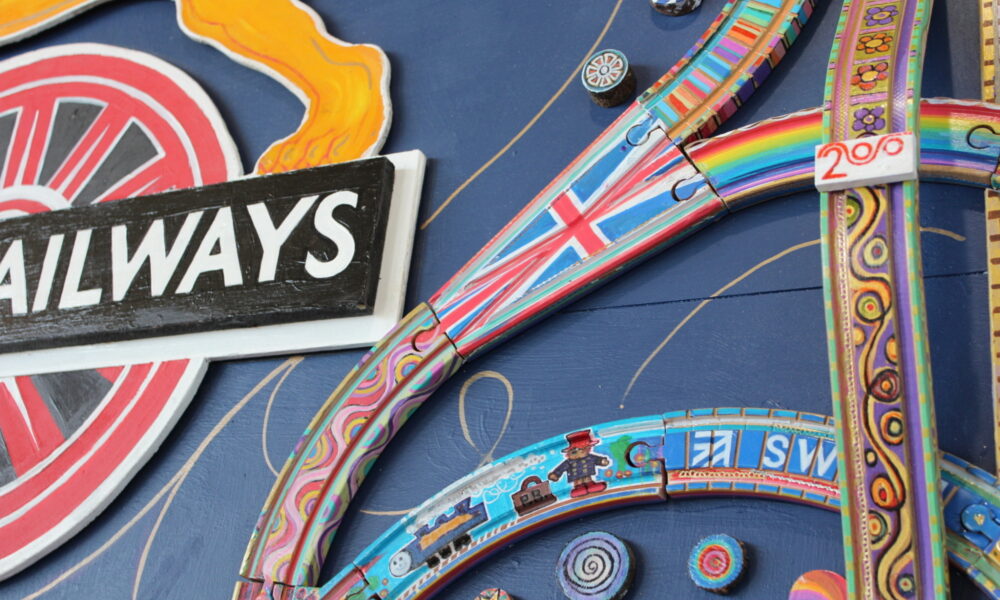
Railway 200 artwork project receives national recognition
The Railway 200 Artwork project, led by Optalis Community Lives artist Jo Werrett and delivered by the Wokingham Learning Disability Partnership Board, has won a Community Rail Award.